
11.1 Introduction
Individuals with disabilities have legal protections against discrimination and legal rights to reasonable accommodations related to their housing. In this section, you will find information regarding these rights and protections.
11.2 How Does the Law Define “Disabled”?
-
Anyone who has a disability (including, but not limited to: chronic mental illness or disability, hearing or visual impairments, mobility impairments, cancer, and HIV);
-
Anyone who has a record of disability; and
-
Anyone regarded as having a disability.
If you believe you are experiencing housing discrimination based on a disability, or any perceived disability, you should contact an attorney to explain your rights and explore your options. For more information, please refer to the Housing Discrimination section.
11.3 Making Changes to Your Apartment/Lease for Your Disability
If you have a disability, your landlord may not:
-
Refuse to let you make reasonable modifications to your dwelling or common use areas, at your own expense, if necessary; or
-
Refuse to make reasonable accommodations in rules, policies, practices or services, if necessary.
Your landlord must allow you to make reasonable changes to your rental unit, if necessary, to allow you full use and enjoyment of the unit. The landlord may, however, require you to make the changes at your own expense. Additionally, if it is reasonable to do so, a landlord may make you promise to undo any changes you might make, except for reasonable wear and tear.
11.4 Accommodations for Wheelchair Users
For wheelchair users, newer buildings (ready for occupancy after March 13, 1991) with an elevator and four or more units must have:
-
Accessible public areas and common areas;
-
Accessible doors, hallways, and routes into and through the unit;
-
Environmental controls;
-
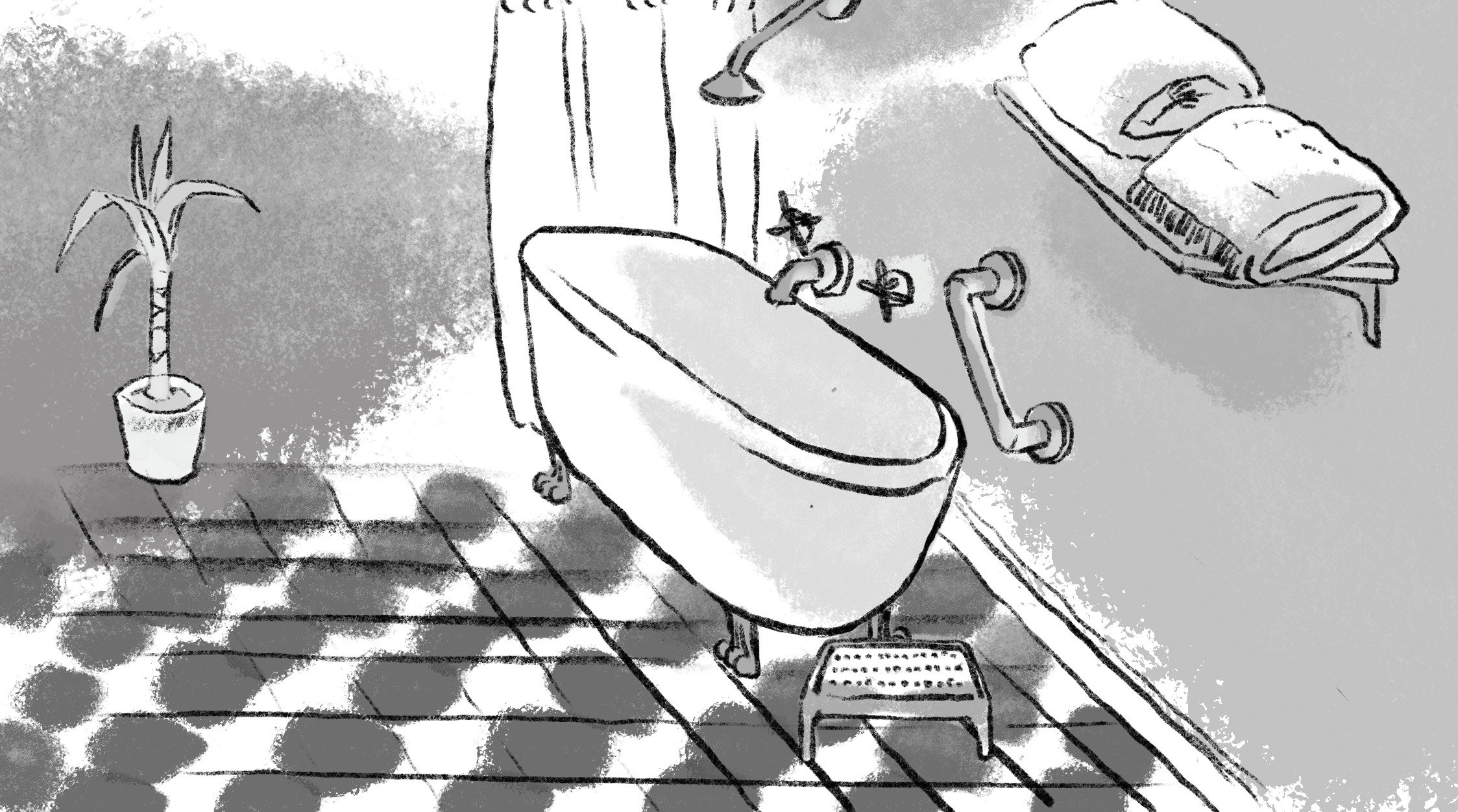
Reinforced bathroom walls (for grab bar installation); and
-
Accessible kitchens and bathrooms.
For buildings of four or more units without an elevator, and built after March 13, 1991, these standards only apply to ground-level floors.
11.5 Support or Service Animals
While it is legal for private landlords to have a “no-pet” policy in rental housing, support and service animals are not considered “pets,” and these policies do not apply to them. Additionally, if a landlord charges any “pet fee,” “pet rent,” “pet deposit,” or other similar pet-related charges, those charges may be unlawful in general, and certainly do not apply to support or service animals and should not be charged against you.
If you are a person with a disability who has a disability-related animal, and you want to live in housing that has a “no-pet” policy, you should ask your doctor or other licensed medical provider to write a letter stating the nature of your disability and that keeping the support or service animal is necessary. You should provide a copy of this letter to your landlord and request a “reasonable accommodation” in writing.
This guide is a living document, and may be subject to change. It contains general information on your rights as a tenant in upstate New York, and is not a replacement for legal advice from an attorney. To get specific legal advice or representation in court, Tompkins County residents can speak to the Tenants Legal Hotline at (607) 301-1560 or visit https://ithacatenantresources.org/tlh or contact Legal Assistance of Western New York (LawNY) at 607-273-3667.