 9.1 Introduction
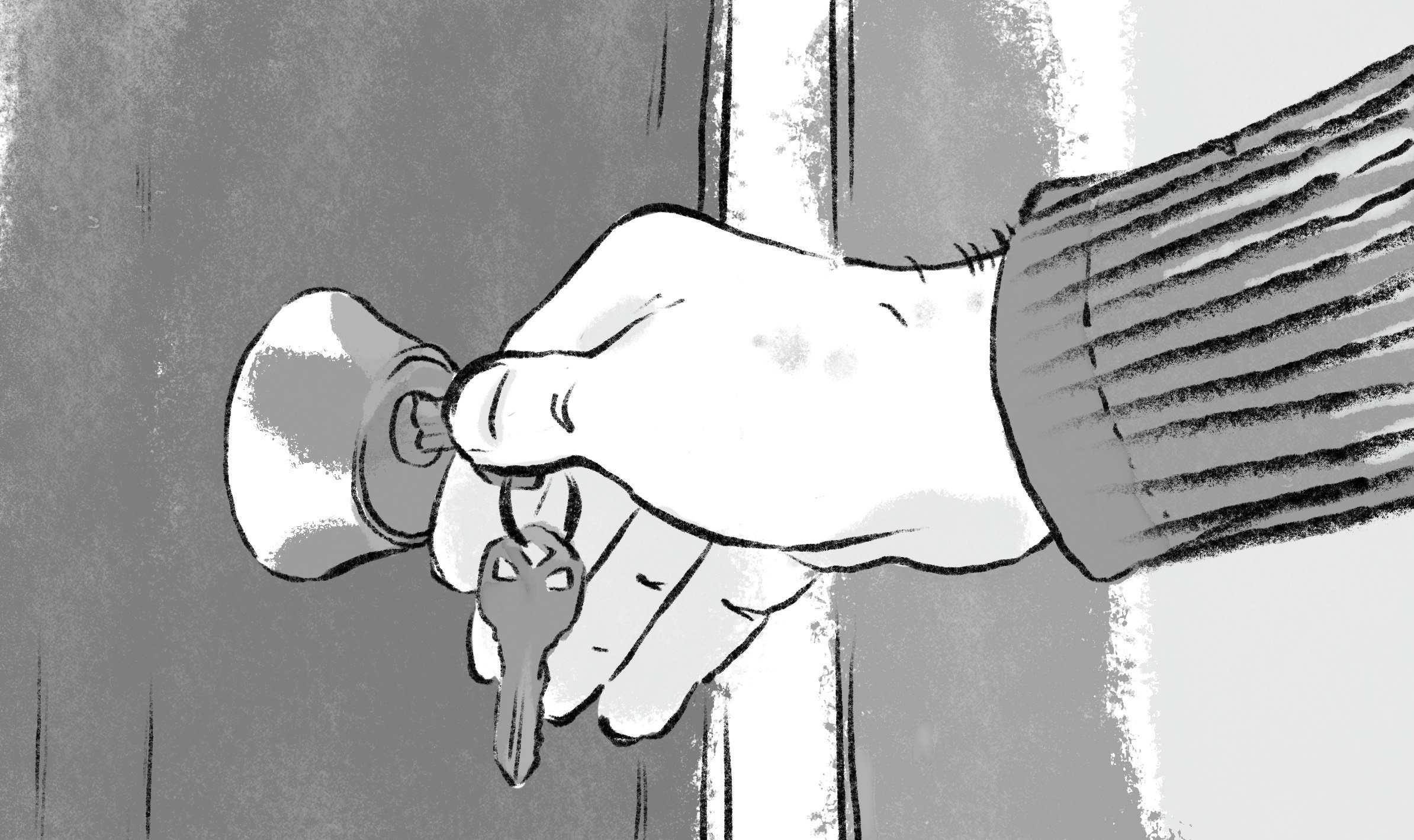
In New York, tenants have significant rights to privacy, quiet enjoyment, and exclusive possession of any property they rent. Generally, this means that the tenant is allowed to refuse or prevent others from entering, accessing, or using their rental unit. While many exceptions apply, this right to exclude others generally includes the property owner or landlord and their employees.
9.2 When a Landlord Can Access or Enter a Rental Unit
Generally, the right of a landlord or their employee to enter or access a rental unit is described in the lease or rental agreement. Often, leases will say when the landlord can access the unit for repairs, inspections, and showings to prospective tenants. Leases often allow a landlord or their employees to access a rental unit after giving the tenant “reasonable” notice, which is generally understood to mean between 24 hours and one week, depending on the reason for the access.
A landlord generally needs a tenant’s consent to access a rental unit. Even if your landlord provides prior notice, you are allowed to say “no,” or ask for them to come at a different day or time. If a tenant unreasonably denies the landlord access to the unit, however, a landlord may sue to have a court order the tenant to allow the landlord to enter. Additionally, a landlord can generally access an apartment without any prior notice or consent in the event of an emergency, like a fire or a flood.
Lease provisions that allow your landlord unlimited access to your rental unit without your prior consent are likely void and unenforceable. For example, if a rental agreement says a landlord can enter a rental unit “at any time for any reason,” this provision would likely be void and unenforceable.
If a landlord repeatedly and persistently enters an apartment without prior notice or consent, or is entering the apartment with the intent to harass the tenant or force them to move out, then it is possible that landlord is violating (1) the tenant’s right to privacy and/or (2) the warranty of quiet enjoyment. In these situations, the tenant may be able to sue the landlord or defend against an eviction lawsuit. You should speak to an attorney for an evaluation of your rights and options.
This guide is a living document, and may be subject to change. It contains general information on your rights as a tenant in upstate New York, and is not a replacement for legal advice from an attorney. To get specific legal advice or representation in court, Tompkins County residents can speak to the Tenants Legal Hotline at (607) 301-1560 or visit https://ithacatenantresources.org/tlh or contact Legal Assistance of Western New York (LawNY) at 607-273-3667