Immigration Law and Advocacy
Cornell’s immigration initiatives combine direct representation, policy innovation, and experiential learning to serve vulnerable communities while providing students with hands-on legal training.
Immigration Experts Letters Project
Building on the success of a webinar-based op-ed writing training last fall, MHRP is expanding this work with additional sessions designed to help participants develop the skills to write and publish their own op-eds. These trainings will feature journalists, communication experts, and lawyers who provide practical guidance and facilitate the sessions. Beyond the trainings themselves, MHRP will support participants by reviewing draft op-eds and, when possible, helping connect them with news outlets beyond their local paper, expanding the reach of their stories.
Learn more about the project and register for upcoming trainings.
Immigration Law and Advocacy Clinic
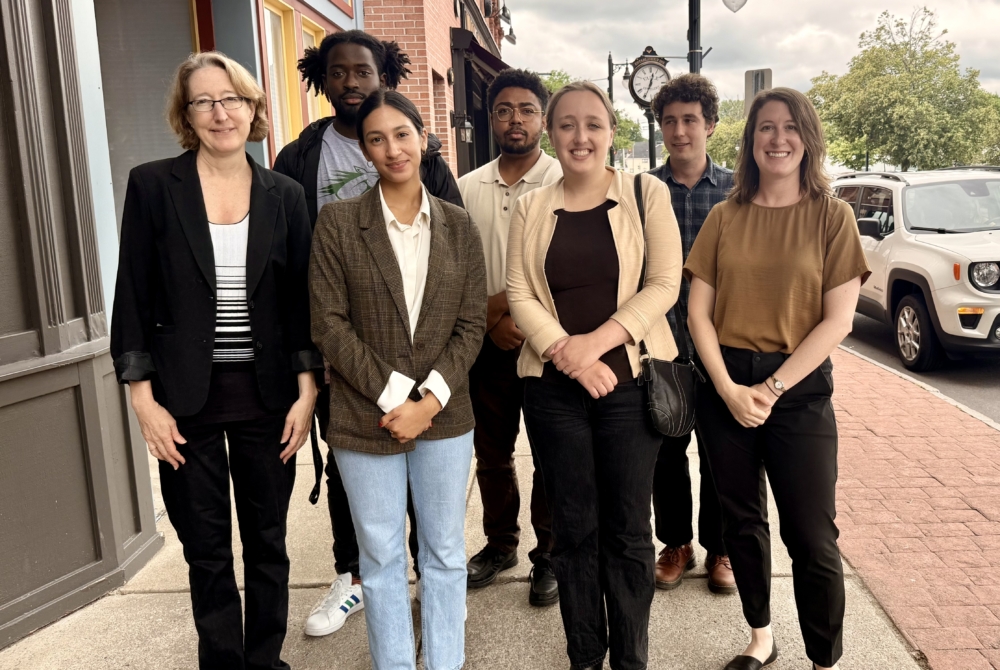
The Immigration Law and Advocacy Clinic (ILAC) focuses on innovative work on behalf of undocumented communities through the Path2Papers Project; for those seeking humanitarian relief, such as asylum; and for detained immigrants.
As part of Cornell Law’s Migration and Human Rights Program, the clinic is at the forefront of human-rights work in the national context.
Launched in 2020, ILAC is one of few clinical courses admitting 1Ls nationally.
Recent stories from the clinic:
Cornell Legal Information Project
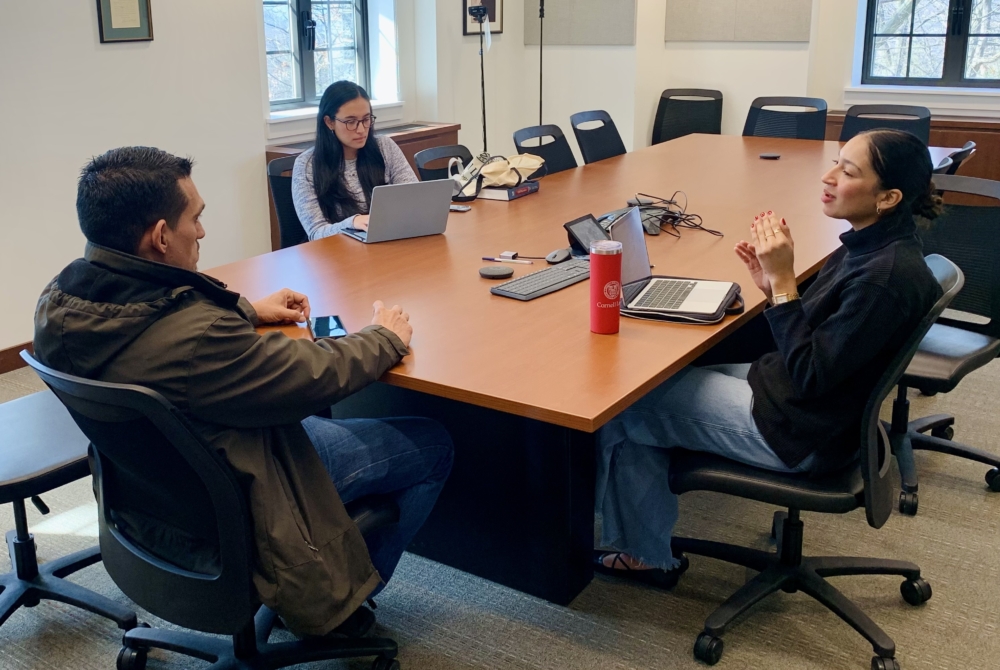
The Cornell Legal Information Project is a collaboration between several Cornell Law School clinics, including the Immigration Law and Advocacy Clinic, Farmworker Legal Assistance Clinic, Prison Education Practicum, and Movement Lawyering Clinic. This project brings together Cornell Law School immigration and constitutional law experts, people with lived experience of migration, students, and other community partners to design and deliver rights-based trainings and immigration detention resources to meet community needs for immigration information while simultaneously providing Cornell students (graduate/law and undergraduate) with educational experience in learning and disseminating legal information. Together, faculty and students from these clinics have been supporting communities in Tompkins County and rural New York to prepare individuals, families, businesses, institutions, and organizations for possible immigration enforcement actions, to know their rights and risks during an enforcement action, and to respond quickly and appropriately after an arrest. The project has also been presenting legal information in immigration detention centers.
Recent news story about the Legal Information Project:
Path2Papers
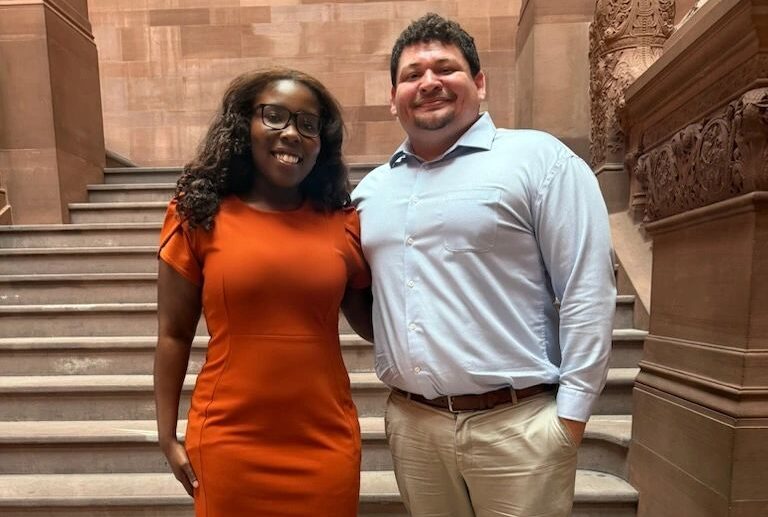
Path2Papers explores employment-based immigration pathways for DACA recipients and other Dreamers who have grown up in the United States but remain without permanent status. Through direct representation, practitioner resources, and policy advocacy, the project helps expand access to long-term immigration solutions.
Recent stories from Path2Papers:
State Policy Advocacy Clinic
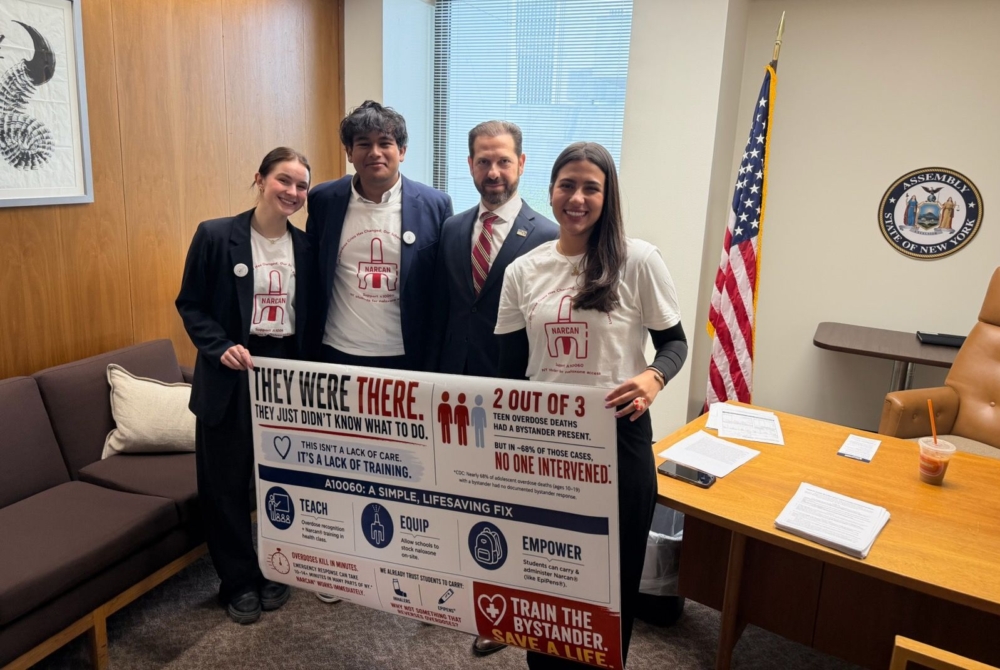
The State Policy Advocacy Clinic at the Brooks School of Public Policy gives undergraduate and MPA students hands-on experience working with legislators, government officials, and community organizations on concrete state-level policy solutions. Student teams research, design, and advocate for reform across a range of policy areas, from immigrant rights and health care to criminal justice and economic development.
Recent stories from the clinic: