9.1 Introduction
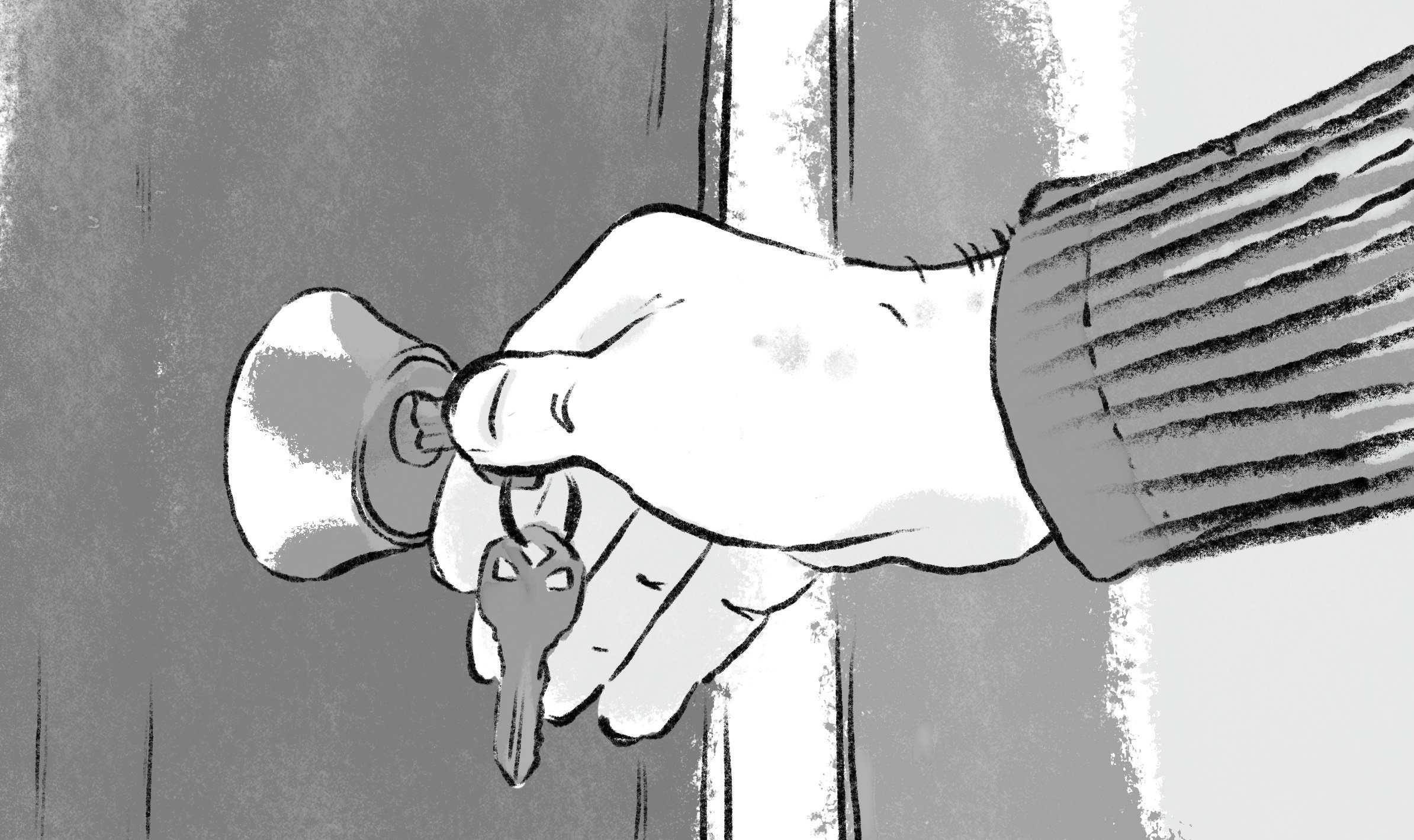
In New York, tenants have significant rights to privacy, quiet enjoyment, and exclusive possession of any property they rent. Generally, this means that the tenant is allowed to refuse or prevent others from entering, accessing, or using their rental unit. While many exceptions apply, this right to exclude others generally includes the property owner or landlord and their employees.
Generally, the tenant has exclusive right to occupation and control of the premises during the lease term. This may be modified by the lease, however. The lease may, for example, give the landlord a right to inspect the premises from time to time. If the lease contains such a clause, the landlord must give reasonable advance notice, such as 24 hours, and may only enter during reasonable hours, such as 9 to 5, unless the tenant agrees otherwise. Depending on the specific terms of the lease, the tenant generally can refuse the landlord entry, provided they have a reasonable reason for denying entry. In such cases, the tenant and landlord should work together to find a reasonable time that works for both parties. If the lease does not reserve the landlord’s right to enter, the landlord has no general right to enter on the premises even to make repairs. However, if entry is required by public authorities, or to secure and repair dangerous conditions, the landlord is not liable to tenant for disturbance or interference. Zwerin v. Geiss (1963).
Landlords generally must provide reasonable notice (often 24 hours), and entries should typically be during reasonable hours, for example, when it is required to perform maintenance services of the rented unit.
Landlords may not demand an additional pass key or additional or duplicate key from tenants unless the right to do so it is reserved under the lease. See Zwerin v. Geiss.
Tenants have the right to make an additional key. American Tract Society v. Jones.
In New York, tenants typically cannot change the locks on their apartment without the landlord’s consent. According to New York’s Real Property Law, landlords have the right to retain access to the property, which includes maintaining a set of keys for access in emergencies or for necessary maintenance, as long as appropriate notice is provided.
For tenants who change locks without permission, landlords could potentially take action to restore access, which might include re-keying the lock at the tenant’s expense or pursuing lease enforcement remedies if the lease explicitly restricts such changes.
Risks: An unreasonable refusal by a tenant to allow access for repairs that are required by law can constitute grounds for summary proceedings to recover possession
9.2 When a Landlord Can Access or Enter a Rental Unit
Generally, the right of a landlord or their employee to enter or access a rental unit is described in the lease or rental agreement. Often, leases will say when the landlord can access the unit for repairs, inspections, and showings to prospective tenants. Leases often allow a landlord or their employees to access a rental unit after giving the tenant “reasonable” notice, which is generally understood to mean between 24 hours and one week, depending on the reason for the access.
A landlord generally needs a tenant’s consent to access a rental unit. Even if your landlord provides prior notice, you are allowed to say “no,” or ask for them to come at a different day or time. If a tenant unreasonably denies the landlord access to the unit, however, a landlord may sue to have a court order the tenant to allow the landlord to enter. Additionally, a landlord can generally access an apartment without any prior notice or consent in the event of an emergency, like a fire or a flood.
Lease provisions that allow your landlord unlimited access to your rental unit without your prior consent are likely void and unenforceable. For example, if a rental agreement says a landlord can enter a rental unit “at any time for any reason,” this provision would likely be void and unenforceable.
If a landlord repeatedly and persistently enters an apartment without prior notice or consent, or is entering the apartment with the intent to harass the tenant or force them to move out, then it is possible that landlord is violating (1) the tenant’s right to privacy and/or (2) the warranty of quiet enjoyment. In these situations, the tenant may be able to sue the landlord or defend against an eviction lawsuit. You should speak to an attorney for an evaluation of your rights and options.
However, it is worth noting that there is an exception to this general rule, when there is an emergency (such as repair that requires immediate action to protect the premises, the tenant or other tenants) in which the landlord is entitled to access the leased unit without prior notice.
Risks: An unreasonable refusal by a tenant to allow access for repairs that are required by law can constitute grounds for summary proceedings to recover possession (eviction).
9.3 Inspections by Housing Authorities
Your lease may specify the rules that apply for inspections by housing authorities. In general, if an inspection is required by code, tenants are required to permit authorities entry for the inspection. The landlord is still required to provide reasonable notice and the inspection must occur during reasonable hours. In an emergency, authorities may enter without notice.
Code Enforcement Inspections: Local code enforcement officials can conduct inspections to ensure compliance with fire safety and property maintenance codes. These inspections are typically required at least once every three years for multiple dwellings.
Health and Safety Inspections: Government authorities can inspect for conditions that pose health hazards, including lead paint, mold, pests, and other habitability issues.
Complaint-Based Inspections: When complaints are filed with local authorities about potential code violations or unsafe conditions, inspectors must be granted access to investigate.
Emergency Inspections: In urgent situations involving immediate safety hazards, government officials have broader authority to inspect properties.